
Call This Saturday to Get$35 OFF
Hire Local Trusted Electricians
Call this Friday to Get$35 OFF
Call This Saturday to Get$35 OFF
Hire Local Trusted Electricians
Call this Friday to Get$35 OFF
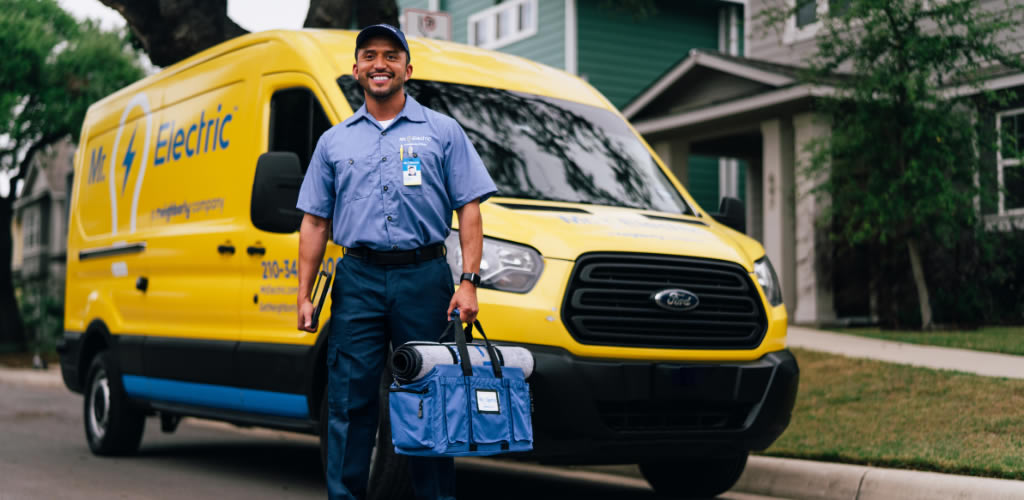
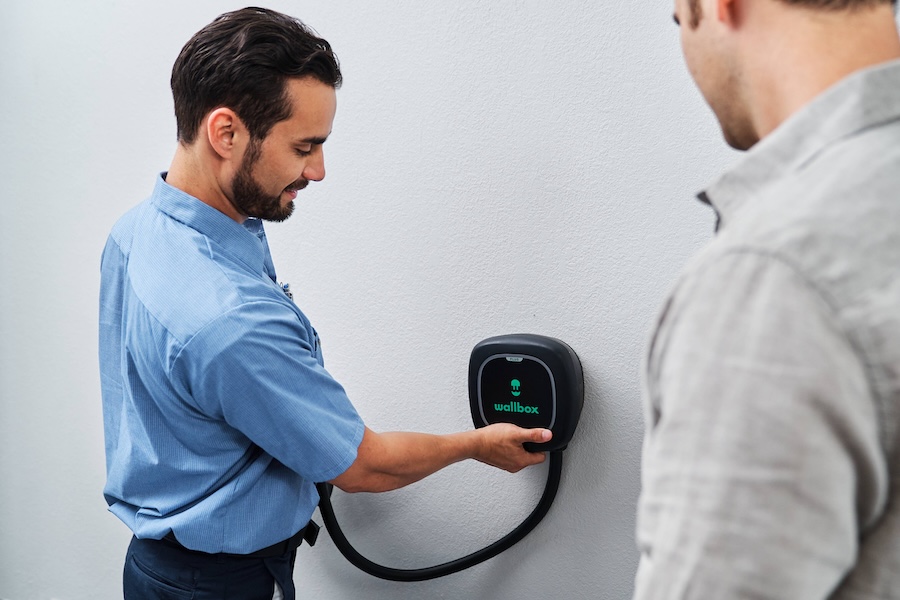
As public charging stations become increasingly popular, many people are now looking at their homes as charging hubs for their electric vehicles. Fortunately, technological advancements over the past few decades have allowed homeowners to integrate electric vehicle charger stations, rather than relying on public charging stations. If you are considering an electric vehicle charger installation to avoid over-reliance on public facilities, Mr. Electric can help. While there are three levels of EV charging, two are suitable for home installation and use. As a reputable electric service, we can assess your electric system and recommend effective solutions suited to your home’s charging needs.
When considering an electric vehicle charger installation, familiarizing yourself with the different power requirements for each system is crucial. Level 1 chargers are ideal for 120V and are slower than modern systems, taking up to 20 hours to fill an empty battery. On the other hand, a level 2 charger, which works with 240V, can be installed in any house with heavy-duty appliances. Before installing an EV charger, call an electrical repair expert to assess the panel’s capacity. This goes a long way in assessing your panel’s capacity to ensure effective current distribution throughout your home. Here are factors to consider before undertaking an electric vehicle charger installation.
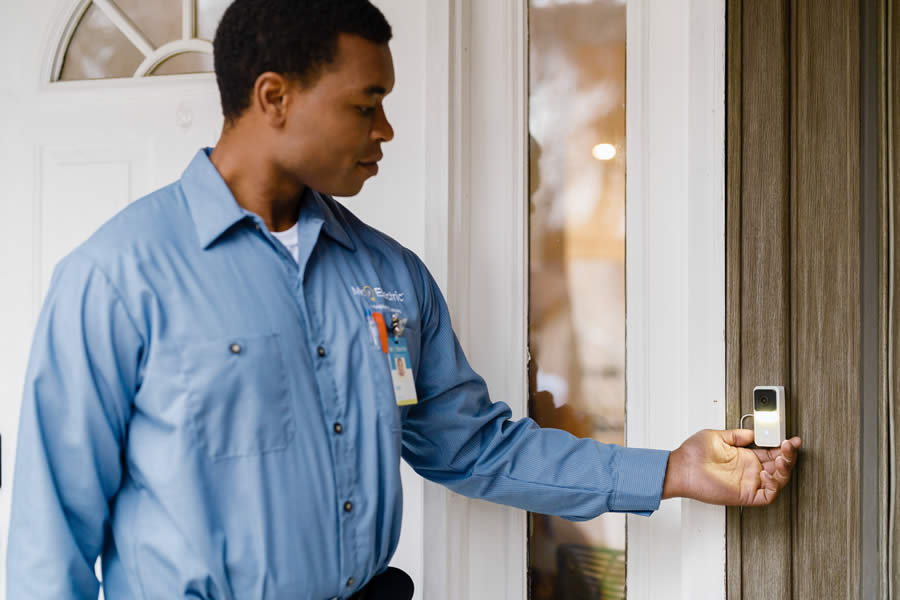
It’s no longer science fiction: smart technology has turned ordinary homes into futuristic hubs where devices communicate seamlessly…
Read More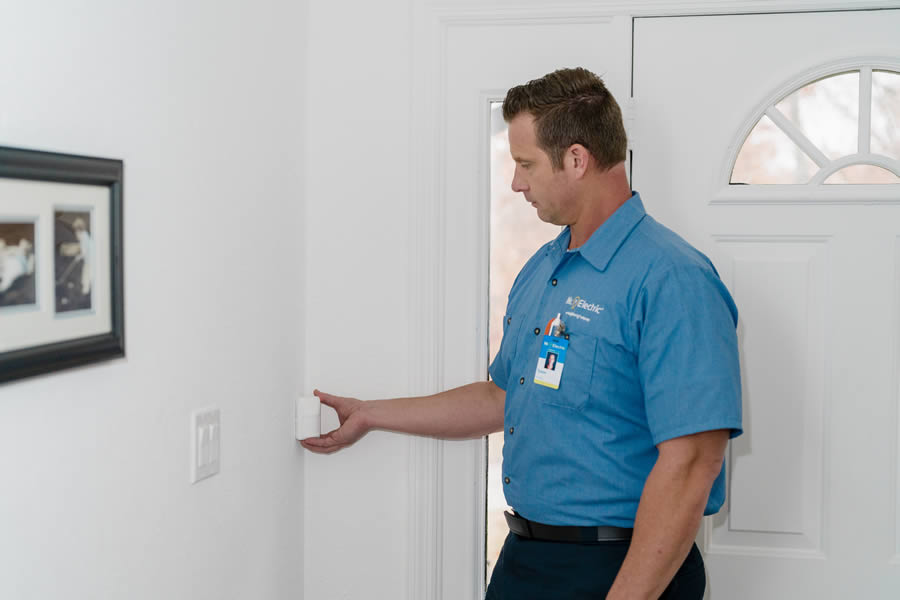
Electrical outlets keep the lights and power up our gadgets. We rely on them daily, but what happens…
Read More
How confident are you that your smoke detectors are functioning properly? These devices might not cross your mind…
Read More
How much time do you spend on small, repetitive tasks around the house? Whether it’s fumbling for light…
Read MoreResidential electrical panels have amp ratings that help when integrating electric vehicle chargers. According to electricians in Boulder, CO and industry experts, most residential panels are rated for 100 or 200 amps. Level 2 charging systems are suited for 200-amp panels, but 100-amp panels may require an upgrade. In such situations, working with a certified electrician is crucial to ensure your panel supports the needs of your electric vehicle.
Before undertaking an electric vehicle charger installation, determine if you have the circuit breaker slots needed in your electrical panel. This means you shouldn’t share the electrical load and risk safety. If you don’t have sufficient circuit space for your EV charger, consult a professional electrician to make the necessary upgrades. Technicians can assess your needs and add the required outlets to address your specific requirements.
Another vital consideration when installing an EV charger is assessing the load in your home. This involves calculating the consumption of existing appliances, cooling, and heating systems. Before adding a level 2 charger, calculating your home’s current load goes a long way in preventing overloads and safety hazards.
When you decide on an electric vehicle charger installation, hiring a trusted electrical service goes a long way to ensure an accurate evaluation of your home’s capacity and overall safety. If you are unsure if an on-site EV charger is the best investment, an electrical repair expert can assess and recommend the necessary upgrades to handle a level 2 EV charger.
If an electrician deems your electrical panel inadequate for a level 2 charger, they can recommend the following upgrades to ensure functionality and safety.
Sometimes, an electrician can integrate a load-sharing device into your panel to intelligently distribute power among various circuits and appliances. This goes a long way to ensure optimal usage and prevent overloads. In addition, load-sharing devices can ensure efficient energy use by balancing the load across the available power sources.
Traditional electrical panels usually support 100 amps, which means they cannot handle the needs of electric vehicles. In such situations, upgrading your panel to 200 amps goes a long way to provide the additional capacity required for level 2 EV chargers.
If you are moving into an old home or installing an EV charging station, Mr. Electric can help you determine if an upgrade is necessary. Contact us today to book an appointment with our experts to ensure an efficient and complete installation without breaking the bank.
 15
15Are you thinking about switching to solar energy, but you don't know how this relates to your average household electrical system? You are not the only one. Solar power represents…
Read More 07
07As a homeowner, safety is a top priority if you want peace of mind year-round. One way of maintaining a safe living environment is taking a proactive approach toward
Read More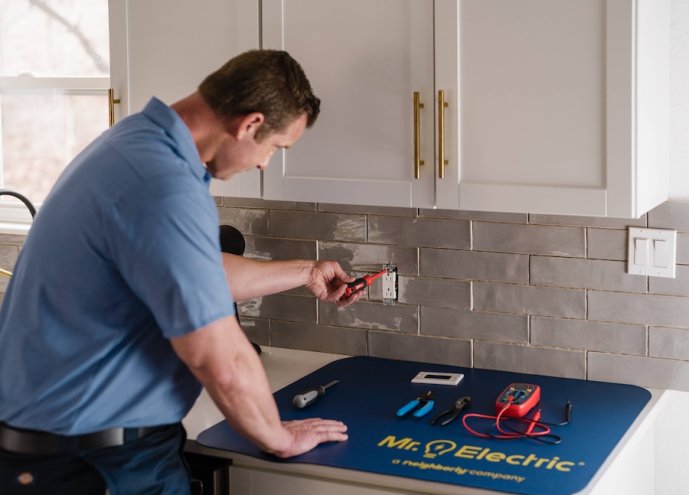 02
02The primary purpose of a pre-purchase electrical inspection is to learn more about the condition of a building’s electrical infrastructure. Whether it is in residential, commercial, or industrial premises, investing…
Read More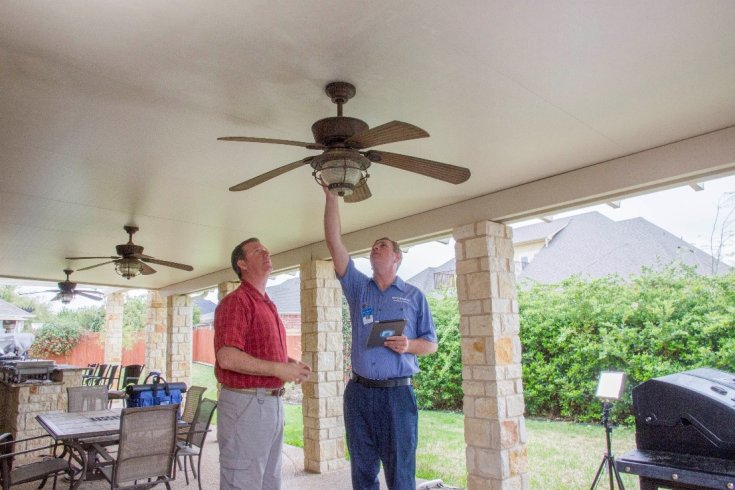 24
24Did you know that ceiling fans are the most common home fixtures? Many property…
Read More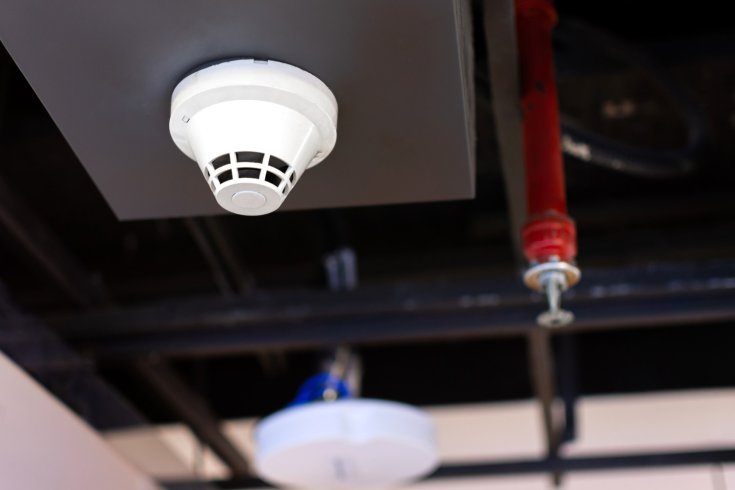 16
16A properly installed smoke detector can run for 8-10 years with the proper care.…
Read More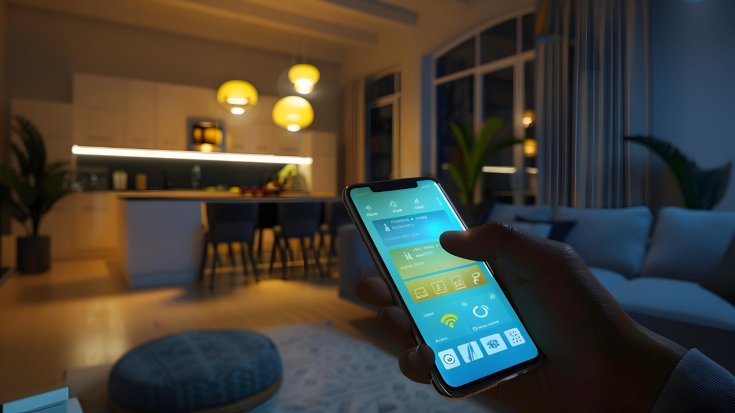 10
10As technological advancements make our homes smarter, these modern tools also provide hackers with…
Read More 02
02Electrical outlets play a crucial role in powering devices and appliances. Whether it is…
Read More